

 UK's Leading Time & Attendance
 FREE shipping over £50

Blog
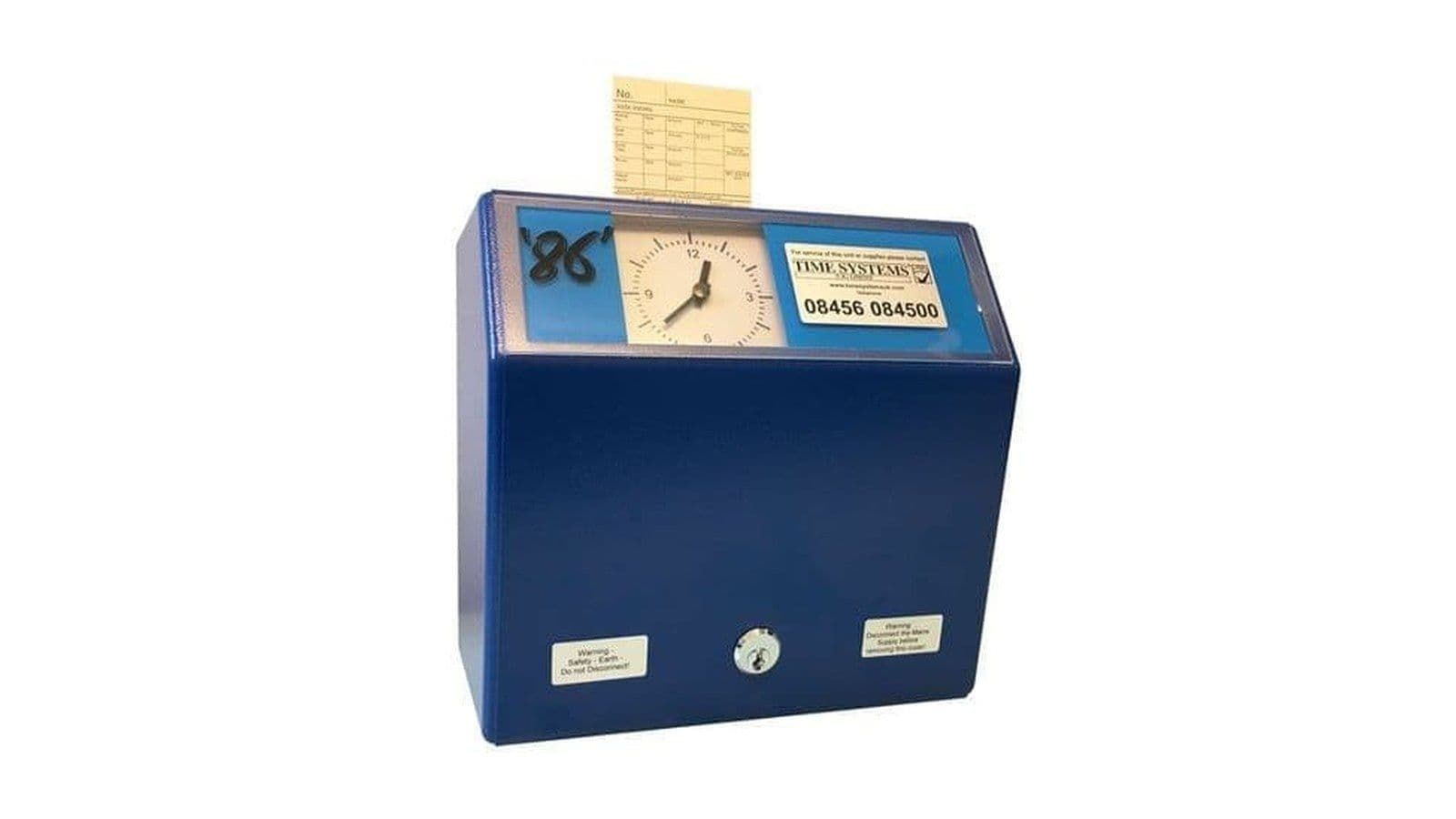
A time clock system calculates staff hours by pairing each in and out clocking, deducting breaks, applying rounding rules for late arrivals and early departures, and sorting what is left into standard and overtime pay. You set the rules once in the software...
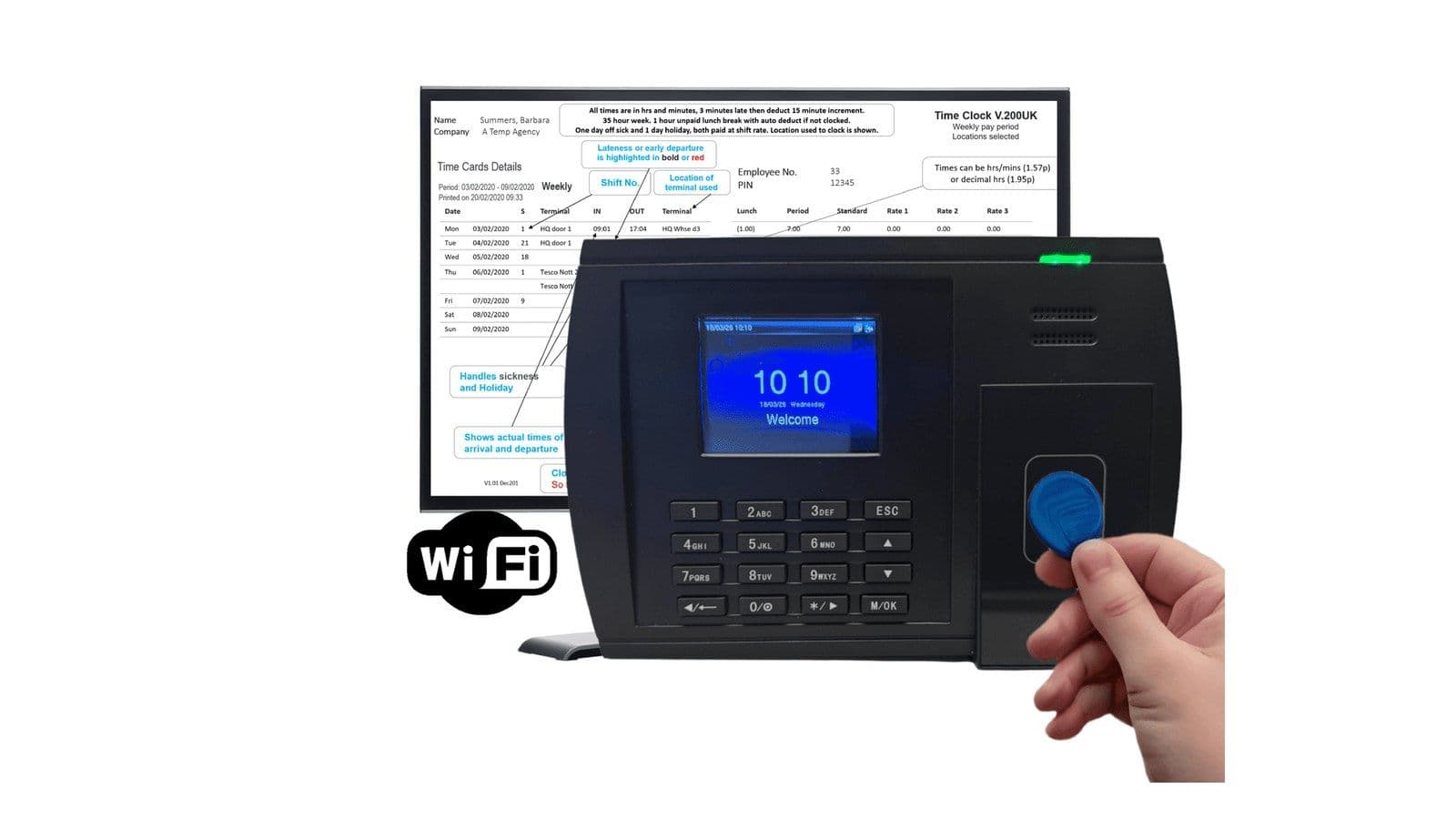
A clocking in system is a wall-mounted terminal and matching software that records the exact time each employee starts and finishes work, then turns those clockings into hours and pay for payroll. Staff clock in and out with a fingerprint, face, RFID...
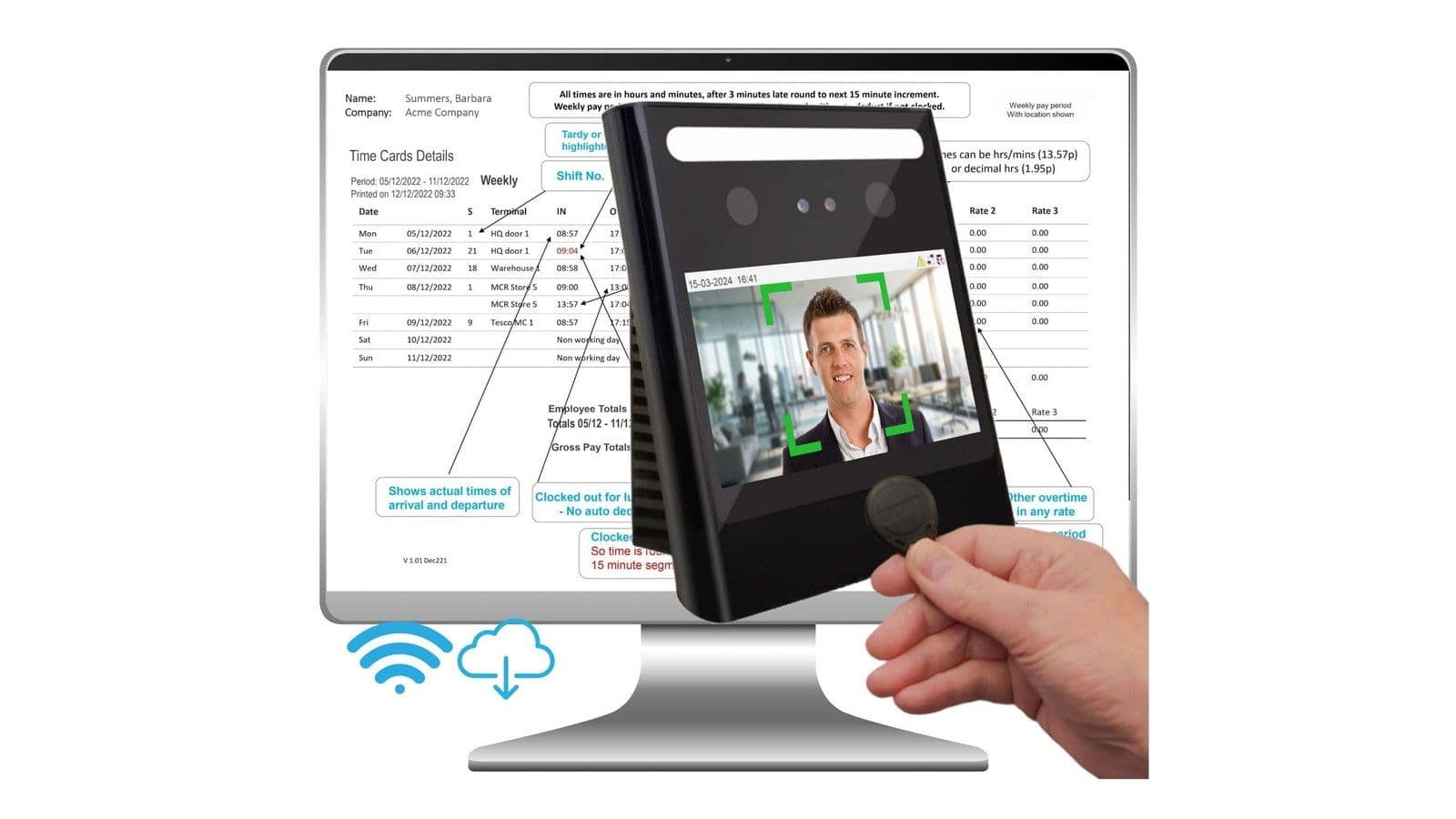
Employee attendance tracking means recording when each person arrives, leaves and takes breaks, then using that record to spot lateness, absence and overtime patterns. A clocking in system does the recording automatically, so managers can act on facts...
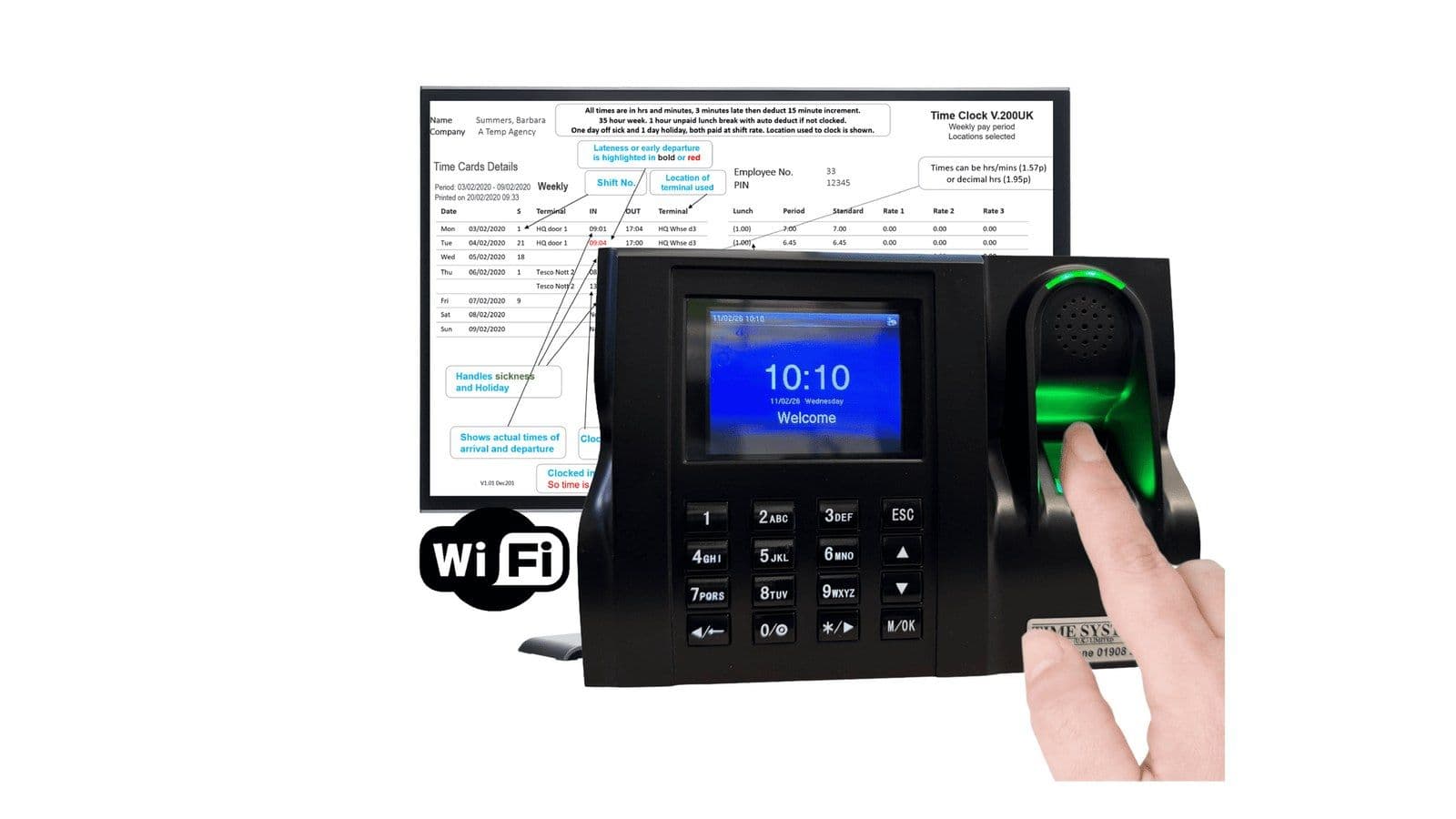
Yes, you can legally use a biometric attendance system in the UK, but fingerprint and face data count as special category data under UK GDPR. That means you need a clear lawful basis, a data protection impact assessment and a non-biometric way to clock...

Most UK businesses buy a clocking system to stop people arriving late and to make payroll faster. Both are good reasons. But the same data that fixes payroll can also tell you whether you are rostering the right number of people at the right times, and...